Medi-Elite Health & Wellness

Woman fastening a postpartum compression garment around her abdomen with visible loose skin representing the body changes that Quantum RF post-pregnancy treatment addresses

Quantum RF for Post-Pregnancy Body Changes: What to Know

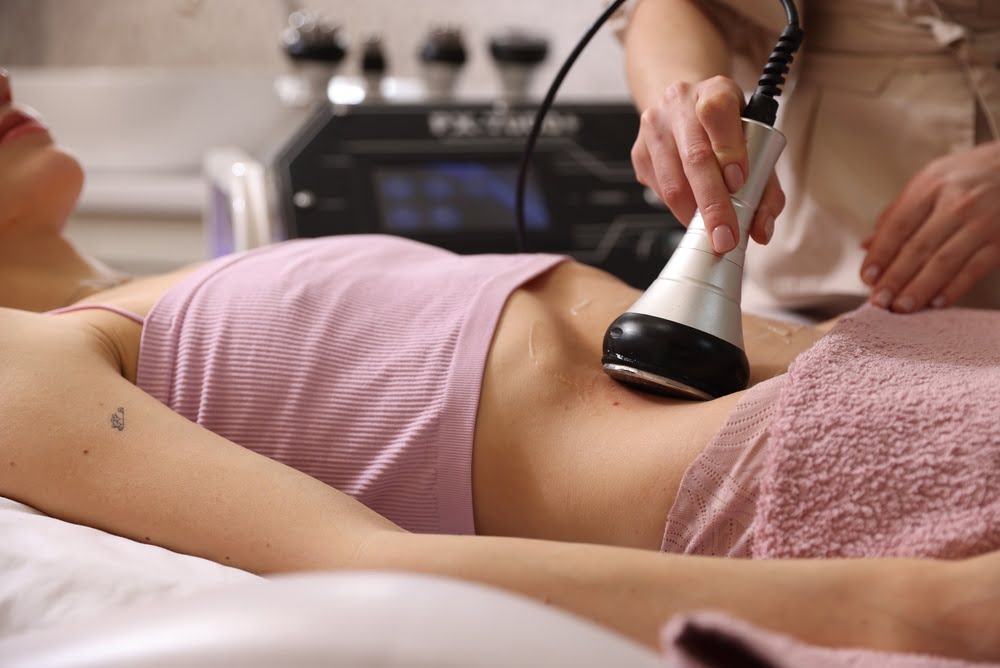
Pregnancy changes the body in ways that do not always resolve on their own. Many patients find that months or years after delivery, specific areas of the abdomen, flanks, inner thighs, and arms retain stubborn fat deposits and a degree of skin laxity that diet, exercise, and time simply have not addressed. For these patients, Quantum RF post-pregnancy treatment offers a well-supported, non-surgical path to meaningful improvement.

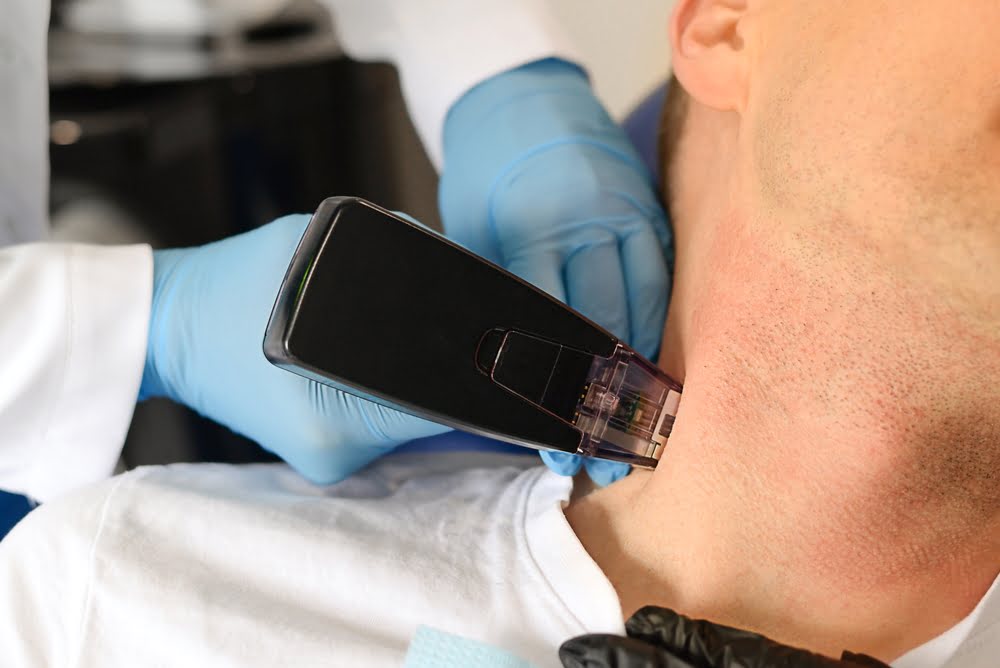
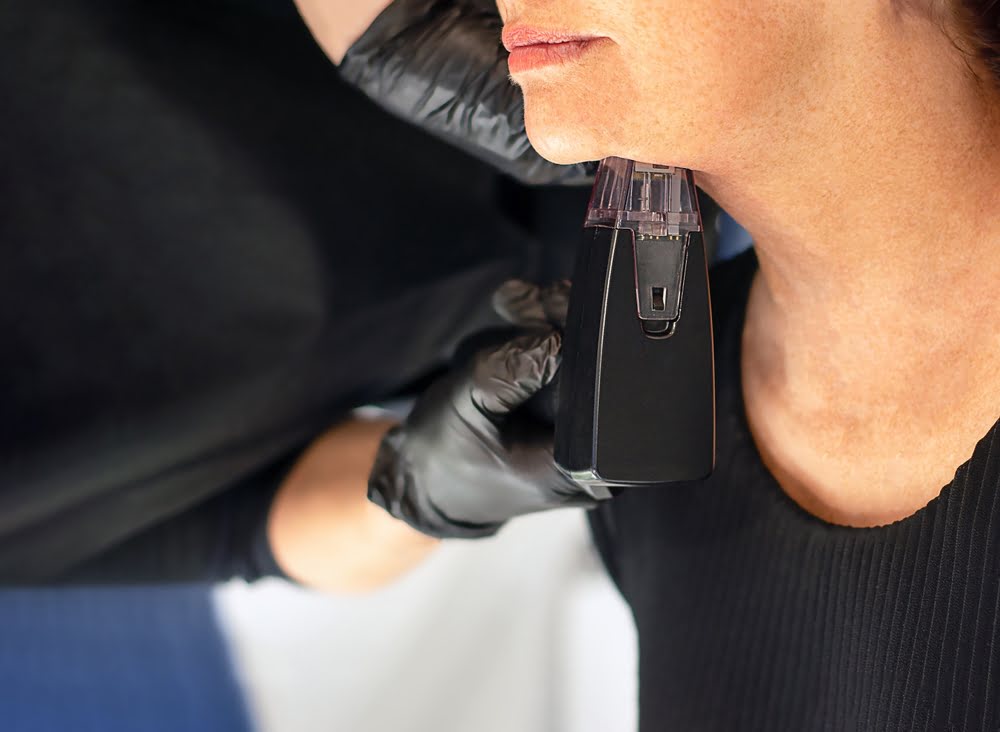
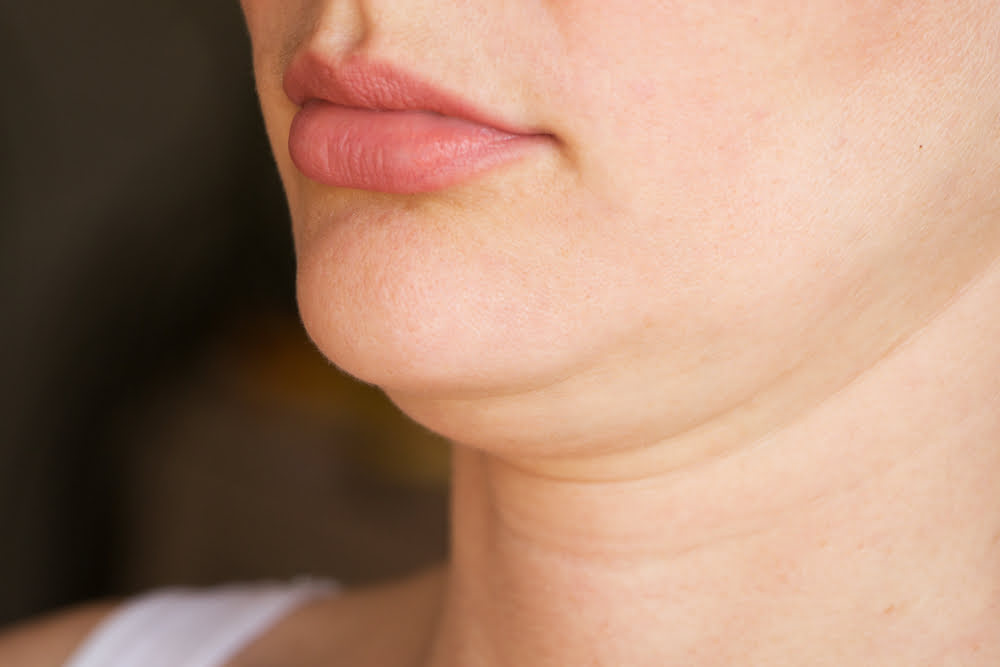
Gloved provider applying an RF microneedling handpiece beneath the chin of a patient during a submental treatment session illustrating the Quantum RF vs BodyTite comparison for double chin contouring

What Is the Difference Between Quantum RF and BodyTite?

Patients comparing body contouring options with their providers frequently encounter two devices that occupy similar space in the treatment landscape: Quantum RF and BodyTite. Both are minimally invasive. Both use radiofrequency energy. Both address fat and skin simultaneously. So what is the actual difference between Quantum RF vs BodyTite, and does it matter for your specific goals?

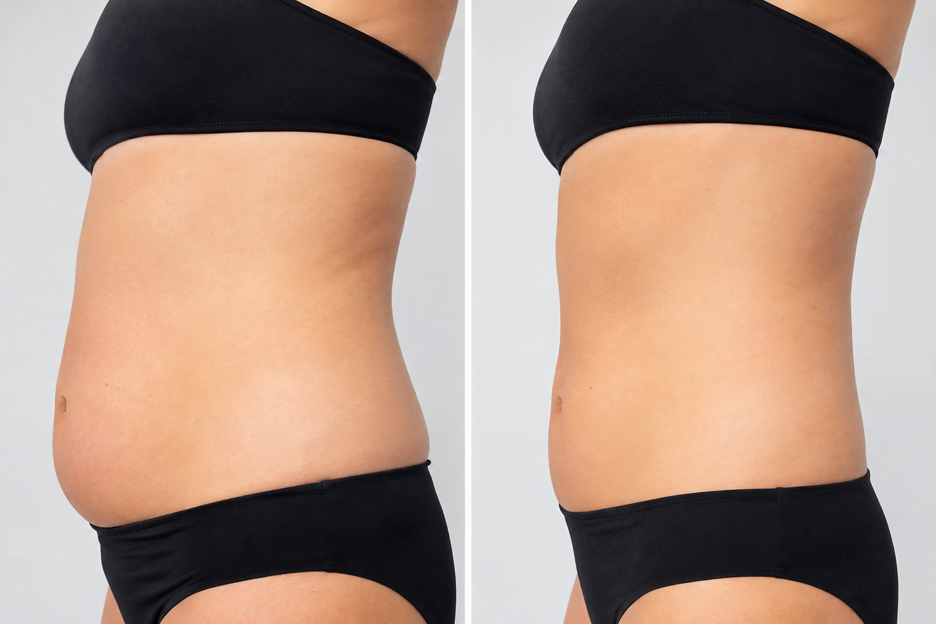
Many patients who have reached their goal weight find that skin laxity in the abdomen does not fully resolve on its own. Morpheus8 skin tightening after weight loss addresses mild to moderate laxity by stimulating new collagen production at the dermal depth where the structural change occurred.

Can Morpheus8 Tighten Skin After Weight Loss?

Losing a significant amount of weight is a real achievement. But for many patients, the reward comes with an unwelcome companion: loose, sagging skin that does not snap back on its own after the weight is gone. Whether the weight loss came from sustained lifestyle changes, medication support, or bariatric surgery, the skin’s response is often the same, and it is one of the most common concerns patients bring into aesthetic consultations in the months and years that follow.