
What Is Quantum RF Smart Lipo and How Is It Different From Regular Liposuction?
- Dr. Mahalia Jackson
- October 18, 2026
- 10 min read
Quantum rf
Table of Contents
- 1. What Is Quantum RF Smart Lipo?
- 2. How Traditional Liposuction Works
- 3. The Key Technology Differences
- 4. Side-by-Side Comparison
- 5. What Each Treatment Is Best Suited For
- 6. Recovery Differences: What to Realistically Expect
- 7. Cost Comparison
- 8. Real-World Example: Two Patients, Two Different Answers
- 9. Common Misconceptions About Quantum RF Smart Lipo
- 10. Frequently Asked Questions
- 11. Key Takeaways
When patients research body contouring options and encounter the term Quantum RF Smart Lipo, a natural question follows: what exactly is this, and how does it compare to the liposuction most people already know? The term brings together two concepts that are worth unpacking clearly before you make any decisions about your treatment path.
This guide explains what Quantum RF Smart Lipo is, how it works, how it differs from traditional liposuction in both mechanism and practical experience, and which approach is better suited to which type of patient and treatment goal.
This content is educational and does not constitute medical advice. Individual results vary. Consult with a qualified provider before making any treatment decision.
1. What Is Quantum RF Smart Lipo?
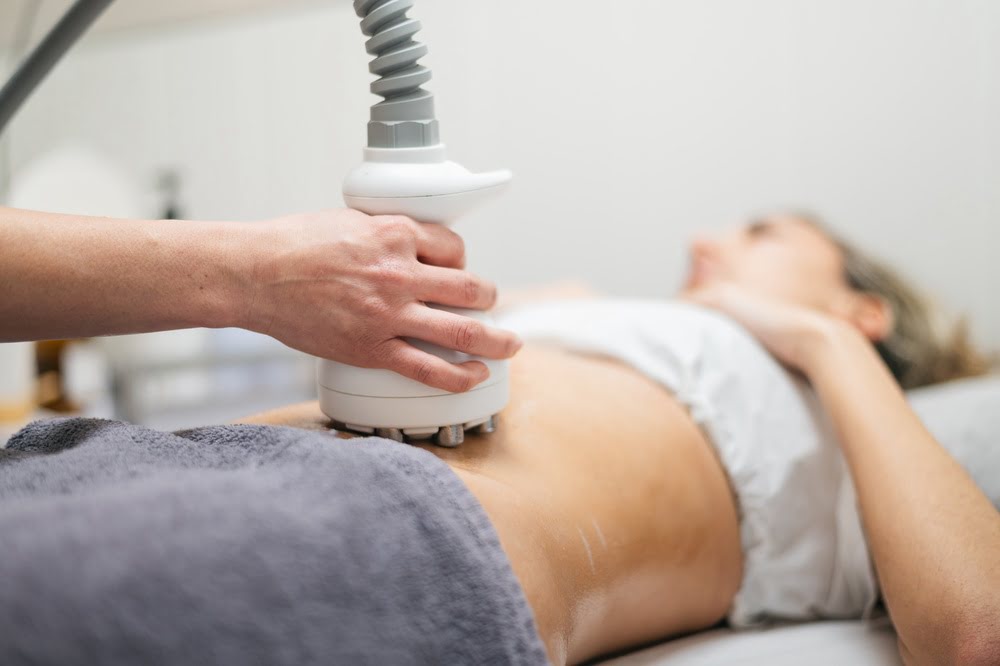
Quantum RF Smart Lipo is a term used to describe Quantum RF body contouring when it is combined with liposuction aspiration of the thermally disrupted fat. The procedure uses InMode’s Quantum RF platform, which delivers focused radiofrequency energy beneath the skin through a probe to permanently dissolve fat cells, combined with aspiration of the treated fat for immediate volumetric removal.
The Smart Lipo designation refers specifically to the combination of thermal energy and aspiration rather than to a separate device or brand. When Quantum RF is performed without aspiration, the dissolved fat is cleared by the body’s natural lymphatic processes over four to eight weeks. When performed with aspiration as part of the Smart Lipo approach, the dissolved fat can be physically removed during the session for more immediate volumetric change.
What this means clinically:
- Faster visible contour change than RF-only treatment because fat volume is removed during the session rather than over weeks
- Simultaneous skin tightening from the RF energy, which mechanical liposuction alone does not provide
- Local anesthesia only in most cases, eliminating the risk profile associated with general anesthesia
- Significantly shorter recovery than traditional liposuction
2. How Traditional Liposuction Works
Traditional liposuction is a surgical procedure that removes fat through mechanical suction using a cannula, a hollow tube connected to a suction device, inserted through small incisions in the skin. A tumescent solution containing saline and anesthetic is injected into the treatment area to facilitate fat removal and reduce bleeding.
The cannula is then guided through the fat layer and connected suction physically breaks up and removes the fat cells. The procedure is performed under general anesthesia or deep sedation in a surgical facility.
What traditional liposuction does well:
- Large-volume fat removal across multiple body zones in a single procedure
- Dramatic, immediately visible contour change once surgical swelling resolves
- Well-established safety profile with decades of clinical data
What traditional liposuction does not address:
- Skin tightening. The overlying skin must retract on its own after fat is removed, which can be problematic in patients with reduced skin elasticity
- The structural collagen changes in the dermis that contribute to skin quality decline
- Patients who are not candidates for general anesthesia
According to the American Board of Cosmetic Surgery, traditional liposuction produces the most significant single-session fat reduction of any available treatment but carries a recovery period and procedural risk profile that is appropriate for surgical candidates only.
3. The Key Technology Differences
Understanding the technological distinction between Quantum RF Smart Lipo and traditional liposuction clarifies why they suit different patients.
Traditional liposuction: mechanical disruption and suction Fat cells are mechanically broken apart by the movement of the cannula and removed by suction. No energy technology is involved in the fat disruption process. The procedure addresses fat volume only.
Quantum RF Smart Lipo: thermal disruption, aspiration, and skin tightening RF energy delivered by the Quantum RF probe thermally disrupts fat cell membranes. This simultaneously contracts the collagen in the surrounding tissue and triggers neocollagenesis over the following months. Fat that has been thermally disrupted can then be aspirated, or it can be left for natural clearance if aspiration is not part of the procedure design. The RF energy component produces skin tightening that surgical liposuction cannot replicate.
The result is a fundamentally different treatment profile: Quantum RF Smart Lipo addresses fat volume and skin quality simultaneously. Traditional liposuction addresses fat volume only.
A clinical review on radiofrequency-assisted liposuction outcomes confirms that RF-assisted liposuction produces measurably greater immediate skin contraction and superior post-procedure skin quality compared to traditional mechanical liposuction alone, making it particularly appropriate for patients with any degree of skin laxity alongside fat removal needs.
4. Side-by-Side Comparison
| Factor | Quantum RF Smart Lipo | Traditional Liposuction |
|---|---|---|
| Fat Removal Mechanism | Thermal RF dissolution plus optional aspiration | Mechanical suction via cannula |
| Skin Tightening | Yes, simultaneously | No |
| Anesthesia | Local only in most cases | General anesthesia or deep sedation |
| Fat Volume | Localized to moderate deposits | Large volume, multiple zones |
| Downtime | 3 to 5 days | 2 to 4 weeks |
| Results Timeline | 2 to 4 months for full results | Visible once surgical swelling resolves (weeks to months) |
| Scarring | Minimal, discreet entry points | Small but visible incision scars |
| Surgical Facility | Not required | Required |
| Compression Garments | Generally not required | Required for several weeks |
| Cost Range | $3,000 to $6,000 | $4,000 to $12,000+ |
| Ideal For | Localized fat with any skin laxity | Large-volume fat, multiple zones, surgical candidate |
5. What Each Treatment Is Best Suited For
Quantum RF Smart Lipo Is the Better Fit When:
- You have localized, stubborn fat deposits that have not responded to diet and exercise
- You also have mild to moderate skin laxity in the treatment area that you want addressed at the same time
- You are not a candidate for or do not want general anesthesia
- You cannot take two to four weeks off for surgical recovery
- You are treating a targeted area such as the neck, jawline, flanks, inner thighs, or upper arms rather than pursuing multi-zone large-volume fat removal
- You want a more gradual, natural-looking result rather than immediate dramatic transformation
Traditional Liposuction Is the Better Fit When:
- You have large-volume fat deposits across multiple body zones requiring significant removal in a single session
- You are a good surgical candidate in good overall health who can undergo general anesthesia safely
- You can accommodate two to four weeks of surgical recovery
- You want the most dramatic single-session volumetric change available
- Your skin has excellent elasticity and will retract well after fat removal without tightening support
For more detail on how non-surgical fat reduction and skin tightening options compare across different patient profiles, that resource provides useful context for the candidacy assessment conversation.
6. Recovery Differences: What to Realistically Expect
Quantum RF Smart Lipo recovery: Most patients return to desk work or light daily activities within two to three days. Mild swelling, tenderness, and minimal bruising in the treatment area are typical for the first three to five days. Strenuous exercise and significant physical activity are avoided for approximately one week. Compression garments are generally not required.
Traditional liposuction recovery: Patients typically require two weeks away from work and light activity, with four to six weeks before resuming strenuous exercise. Significant bruising and swelling are expected and can take several weeks to fully resolve. Compression garments are worn consistently for several weeks post-procedure. Surgical facility visits for follow-up care are part of the post-operative protocol.
For patients whose lifestyle or professional obligations cannot accommodate extended surgical recovery, Quantum RF Smart Lipo’s significantly shorter downtime is a meaningful advantage that frequently influences the treatment decision independently of other clinical factors.
7. Cost Comparison
Quantum RF Smart Lipo: Typically ranges from $3,000 to $6,000 for a targeted treatment area depending on the zone, the provider, and whether aspiration is included. There are no surgical facility fees or anesthesia administration costs in most cases.
Traditional liposuction: Typically ranges from $4,000 to $12,000 or more depending on the number of areas treated, the surgeon’s fees, the surgical facility fee, and anesthesia costs. Multi-zone procedures at the higher end of this range represent a significantly larger total investment.
For localized treatment areas, Quantum RF Smart Lipo typically represents the lower total investment when all associated costs are factored in. For multi-zone large-volume cases, the comparison changes, as the efficiency of addressing multiple large areas in a single surgical session can represent better value than the cumulative cost of multiple RF sessions across the same zones.
8. Real-World Example: Two Patients, Two Different Answers
Patient A is 38 years old with a localized flank fat deposit and mild abdominal skin laxity. She has a demanding work schedule that makes two weeks of surgical recovery impractical. She is not interested in general anesthesia. Quantum RF Smart Lipo is the more appropriate recommendation for her. It addresses both her fat and her skin laxity, fits her recovery constraints, and avoids the anesthesia she wants to avoid.
Patient B is 45 years old and wants comprehensive fat removal across the abdomen, flanks, inner thighs, and upper arms simultaneously. She has had a thorough surgical evaluation and is in excellent health. She can accommodate six weeks of recovery. Traditional liposuction is the more appropriate recommendation for her. The scale of her goals, the multiple zones involved, and her surgical candidacy all favor the greater volumetric capacity and single-session efficiency of surgery.
9. Common Misconceptions About Quantum RF Smart Lipo
“Smart Lipo is just a marketing term for regular liposuction.” Quantum RF Smart Lipo involves a fundamentally different mechanism than traditional liposuction. RF thermal disruption of fat, simultaneous collagen contraction, local-only anesthesia, and the skin tightening component are all clinically meaningful differences from mechanical suction under general anesthesia.
“Quantum RF Smart Lipo produces the same results as traditional liposuction.” For comparable localized areas, results are often similar in terms of fat reduction. The skin tightening component distinguishes the two. For large-volume multi-zone cases, traditional liposuction’s capacity exceeds what the Smart Lipo approach achieves in a single session.
“It is safer because it is less invasive, so there are no real risks.” Quantum RF Smart Lipo carries a lower risk profile than traditional liposuction, primarily because local anesthesia replaces general anesthesia. It is not risk-free. Any minimally invasive procedure carries potential risks that should be discussed with your provider before treatment.
“All providers offering Smart Lipo are performing the same procedure.” Smart Lipo is performed with several different device platforms across the industry. The clinical outcomes vary based on which technology is being used and the provider’s experience with it. Ask specifically which device and protocol your provider uses and what their experience with it is.
10. Frequently Asked Questions
In most cases, no. The entry points used for the Quantum RF probe are minimal, typically only a few millimeters, and usually heal without sutures. Your provider will discuss wound care at your post-treatment appointment.
With aspiration, early contour change is visible within the first few weeks as swelling resolves. The skin tightening component continues developing over two to four months as collagen production builds. Full results are typically visible at three to four months.
Yes. Some patients combine Quantum RF Smart Lipo with Morpheus8 RF microneedling for surface skin quality improvement, or with dermal filler for volume concerns in adjacent areas. Your provider will recommend a combination approach if your goals extend beyond what the core treatment addresses. Learn more about Quantum RF skin tightening options and how they can be integrated with other treatments.
The fat cells removed through aspiration or dissolved through thermal disruption are permanently eliminated. Remaining fat cells in the body can expand with weight gain, and new fat can develop in adjacent areas. Maintaining a stable weight after treatment is essential to preserving results.
Candidacy depends on your specific fat deposits, degree of skin laxity, health history, and treatment goals. A consultation with a qualified provider who performs this procedure is the most reliable way to determine whether it is appropriate for your individual anatomy and goals.
Key Takeaways
- Quantum RF Smart Lipo refers to the combination of InMode’s Quantum RF radiofrequency technology with minimally invasive liposuction aspiration, producing a result that addresses both fat volume and skin tightening in a single procedure.
- Traditional liposuction physically removes fat through mechanical suction. It does not use any energy technology to tighten the overlying skin.
- The defining clinical advantage of the Smart Lipo approach is simultaneous skin tightening alongside fat removal, which surgical liposuction alone cannot provide.
- Quantum RF Smart Lipo requires local anesthesia rather than general anesthesia in most cases, significantly reducing the procedural risk profile compared to traditional surgical liposuction.
- Recovery from Quantum RF Smart Lipo is significantly shorter than traditional liposuction, with most patients returning to normal activity within three to five days versus two weeks or longer for standard surgery.
- Traditional liposuction can address larger fat volumes in a single session than the minimally invasive Smart Lipo approach, making it more appropriate for patients with extensive, multi-zone fat removal needs.
- Cost is comparable between the two approaches for equivalent treatment areas, though the total investment changes significantly when general anesthesia and surgical facility fees are factored into traditional liposuction.
Which Approach Fits Your Body Contouring Goals?
Quantum RF Smart Lipo and traditional liposuction are both effective tools for different clinical situations. The right choice depends on the volume and location of your fat deposits, your skin’s elasticity, your health, your recovery tolerance, and the degree of change you are trying to achieve. A consultation with a qualified provider gives you a direct, personalized answer based on your actual anatomy. Schedule yours to find out which approach is genuinely the better fit for your body contouring goals.
References
- Mulholland RS. “Radiofrequency-assisted liposuction vs. traditional liposuction: comparative outcomes.” PMC. Available at: https://pmc.ncbi.nlm.nih.gov/articles/PMC4631236/
- American Board of Cosmetic Surgery. “How to choose between liposuction and non-invasive fat reduction.” Available at: https://www.americanboardcosmeticsurgery.org/cosmetic-medicine/how-to-choose-between-liposuction-and-noninvasive-fat-reduction-procedures/
- InMode. “Quantum RF Smart Lipo Protocol Overview.” Available at: https://www.inmode.com