
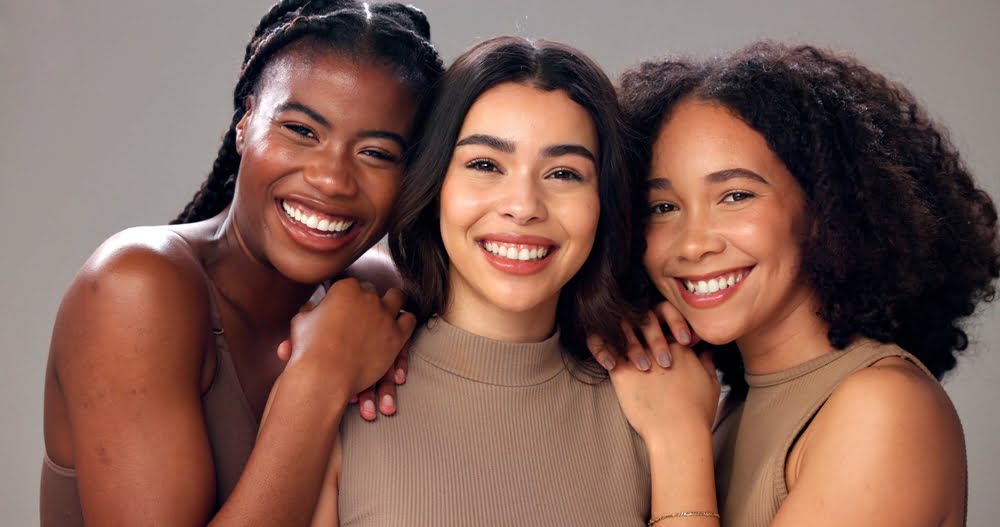
Is Morpheus8 Safe for All Skin Tones? What You Need to Know
- Dr. Mahalia Jackson
- October 7, 2026
- 10 min read
Morpheus8
Table of Contents
- 1. Why Skin Tone Matters in Aesthetic Treatments
- 2. How Morpheus8 Delivers Energy Beneath the Surface
- 3. Morpheus8 and the Fitzpatrick Scale: A Breakdown
- 4. What the Research Says About RF Microneedling on Darker Skin
- 5. Common Misconceptions About Morpheus8 and Skin Tone
- 6. What to Expect: Before, During, and After Treatment
- 7. How to Choose a Provider Who Understands Diverse Skin
- 8. Frequently Asked Questions
- 9. Key Takeaways
1. Why Skin Tone Matters in Aesthetic Treatments
For decades, patients with medium to deep skin tones have been underserved by cosmetic procedures. Many laser and light-based treatments carry a real risk of post-inflammatory hyperpigmentation (PIH) in skin with higher melanin concentrations, meaning the very treatments designed to improve skin can leave behind discoloration that takes months to fade.
This is not a minor concern. It has historically caused significant reluctance among patients with Fitzpatrick skin types IV through VI to pursue non-surgical skin rejuvenation at all, even when the underlying concerns, fine lines, laxity, uneven texture, and scarring, are just as present as in lighter skin.
Morpheus8 RF microneedling has changed the conversation for many of those patients. Because it relies primarily on radiofrequency energy rather than light or laser wavelengths, it does not target melanin the same way traditional lasers do. That distinction opens the door for a broader range of patients to access deep tissue remodeling safely, but only when the treatment is performed correctly by a trained provider.
Understanding what makes Morpheus8 different, and what still requires caution, is essential for anyone with a medium to dark complexion considering this treatment.
2. How Morpheus8 Delivers Energy Beneath the Surface
Morpheus8 uses a handpiece fitted with a matrix of insulated gold-tipped microneedles. These needles penetrate the skin at controlled depths, typically between 1 and 4 millimeters, and deliver radiofrequency energy directly into the subdermal tissue.
The critical word here is “insulated.” The gold coating on each needle is designed so that the RF energy is released only at the tip, deep within the dermis and subdermal fat layer. The outer shaft of the needle passes through the epidermis without heating it. This insulated delivery mechanism reduces thermal injury to the upper skin layers, which is precisely where melanin lives in higher concentrations in darker skin tones.
Because Morpheus8 bypasses the epidermis as its primary zone of energy delivery, it does not selectively heat melanin the way ablative lasers or intense pulsed light (IPL) treatments do. The RF energy heats dermal tissue based on its electrical resistance, not its pigment content. That physics-based distinction is what makes Morpheus8 a more inclusive option across the Fitzpatrick spectrum.
The heat generated deep in the dermis stimulates fibroblast activity, which drives collagen and elastin production over the following weeks and months. This remodeling process tightens lax tissue, smooths surface texture, and reduces the appearance of scars and fine lines from the inside out.
3. Morpheus8 and the Fitzpatrick Scale: A Breakdown
The Fitzpatrick Skin Type Scale is the standard classification system used in dermatology and aesthetics to categorize how skin responds to UV exposure and cosmetic procedures. It runs from Type I (very fair, always burns) to Type VI (deeply pigmented, never burns).
Here is how Morpheus8 generally applies across those types:
Fitzpatrick Types I–III (Fair to Medium): These skin tones have the lowest risk of post-inflammatory hyperpigmentation from most energy-based treatments. Morpheus8 is typically well tolerated and effective with standard settings.
Fitzpatrick Types IV–V (Medium-Brown to Dark Brown): This range carries a higher risk of PIH with laser-based treatments, but Morpheus8’s subepidermal energy delivery makes it a strong candidate. Settings adjustments, including slightly lower energy and careful post-treatment care protocols, are often used to further minimize surface heating.
Fitzpatrick Type VI (Very Dark/Deep): Morpheus8 can be appropriate for patients in this category, but requires the most conservative approach. Provider experience and proper pre-treatment conditioning (sometimes involving topical agents to stabilize melanocyte activity) are especially important here.
No treatment is entirely without risk for any skin tone. But compared to most alternatives in the non-surgical skin rejuvenation category, Morpheus8 offers a substantially better safety profile for patients across the full Fitzpatrick range.
4. What the Research Says About RF Microneedling on Darker Skin
The clinical literature supports the use of fractional RF microneedling in patients with darker skin tones, with several published studies specifically examining outcomes in Fitzpatrick Types IV–VI.
A study published in the Journal of Drugs in Dermatology examined the use of fractional RF microneedling in patients with skin types IV and V for acne scarring and found significant improvement in scar appearance with a low rate of adverse events, including minimal PIH when protocols were followed correctly.
Research from the American Academy of Dermatology has also highlighted the value of non-light-based technologies for skin of color, noting that RF energy delivery bypasses the chromophore-dependent mechanism that makes lasers problematic in darker skin.
The key variables in most research outcomes are consistent: provider experience, device settings appropriate for the patient’s Fitzpatrick type, proper topical preparation in the weeks before treatment, and diligent sun protection and aftercare following sessions. When these variables are controlled, fractional RF microneedling demonstrates both safety and efficacy across the full skin tone spectrum.
Learn more about how Morpheus8 works mechanically by reviewing what InMode, the device manufacturer, publishes at https://www.inmode.com.
5. Common Misconceptions About Morpheus8 and Skin Tone
Misconception 1: “RF treatments are just for lighter skin.”
This is one of the most persistent myths in aesthetic medicine. RF energy is not light-based and does not interact with melanin the way laser wavelengths do. Morpheus8 is FDA-cleared for use across all Fitzpatrick skin types.
Misconception 2: “Darker skin tones will always hyperpigment after Morpheus8.”
PIH is a risk, not an inevitability. When performed by an experienced provider using appropriate settings and proper aftercare is followed, the rate of significant PIH with Morpheus8 is low. Pre-treatment conditioning and strict post-treatment sun avoidance dramatically reduce this risk further.
Misconception 3: “The results will be less visible on darker skin.”
This conflates skin tone with skin condition. The collagen remodeling Morpheus8 stimulates occurs in the dermis regardless of surface pigmentation. Improvements in skin laxity, texture, and scar appearance are visible across all skin tones. In some cases, patients with oilier skin, which is more common in certain darker skin phenotypes, actually respond very well to the treatment’s textural improvements.
Misconception 4: “I can’t get Morpheus8 done in the summer if I have dark skin.”
Summer sun exposure is a risk factor for PIH regardless of skin tone. However, it is a post-treatment management issue, not a reason to exclude darker skin patients from treatment entirely. With strict sun avoidance and appropriate skin care in the weeks after treatment, outcomes remain positive. Many providers do schedule patients with deeper skin tones more conservatively during high UV months.
Misconception 5: “Any provider can safely treat darker skin with Morpheus8.”
This is perhaps the most important misconception to address. The device’s physics do reduce the risk compared to lasers, but provider training in treating diverse skin tones still matters enormously. Parameter selection, pre-treatment skin prep, and post-care guidance all require specific knowledge. Choosing a provider with demonstrated experience across the full Fitzpatrick scale is a critical part of achieving a safe, effective outcome.
6. What to Expect: Before, During, and After Treatment
Pre-Treatment
Your provider will assess your Fitzpatrick skin type and review your skin history, including any history of PIH, keloid scarring, or recent sun exposure. In some cases, a topical regimen is recommended in the weeks before treatment to stabilize melanocyte activity. This may include ingredients like hydroquinone, tranexamic acid, or kojic acid, depending on your skin’s specific history and your provider’s protocol.
You will be advised to avoid sun exposure and tanning for at least two weeks before your session. Self-tanner, retinoids, and exfoliating acids are typically paused for a set period before treatment as well. A thorough review of the preparation checklist can help you arrive in the best possible condition for your session.
During Treatment
A topical numbing cream is applied and allowed to take effect before the session begins, typically for 30 to 45 minutes. The treatment itself involves the Morpheus8 handpiece being passed across the treatment area in a systematic grid pattern. Sessions for the face usually run 20 to 45 minutes. Body areas may take longer.
For patients with darker skin tones, your provider may use slightly lower energy settings or adjust needle depth to further protect the epidermis. This is standard practice and does not diminish the effectiveness of the treatment.
After Treatment
Redness, swelling, and pinpoint marks at needle entry sites are normal and typically resolve within 24 to 72 hours. Patients with darker skin are advised to be especially diligent about:
- Avoiding direct sun exposure for at least two weeks post-treatment
- Applying broad-spectrum SPF 30 or higher daily without exception
- Using only gentle, non-exfoliating cleansers and moisturizers in the first week
- Avoiding active ingredients like retinol or AHAs until cleared by the provider
Discoloration, if it occurs, is most commonly temporary and responds well to brightening skincare and time. Your provider should give you clear guidance on what to watch for and when to follow up.
For more detail on post-treatment care protocols, see https://medielite.org/morpheus8-treatment-in-bedford-tx-2/.
7. How to Choose a Provider Who Understands Diverse Skin
Not every injector or aesthetic provider has equal experience treating medium to deep skin tones. When researching a provider for Morpheus8, here are specific questions to ask:
- What percentage of your Morpheus8 patients have Fitzpatrick Types IV–VI?
- Do you adjust device settings by skin type, and how?
- What pre-treatment conditioning protocol do you use for patients with darker skin?
- What is your approach if PIH develops post-treatment?
A knowledgeable provider will have confident, specific answers to all of these questions. They will not treat darker skin patients with the same settings as lighter skin patients, and they will have a clear post-care protocol designed for higher-melanin skin.
Board certification or advanced training in dermatology or cosmetic medicine is a positive indicator, but hands-on experience with diverse patients is equally important. Before-and-after photos from patients with similar skin tones to yours are one of the most meaningful things you can review during a consultation.
Here’s a full overview of what Morpheus8 can address, and treatment options available.
8. Frequently Asked Questions
It is possible but not common when the treatment is performed correctly. Post-inflammatory hyperpigmentation (PIH) occurs when melanocytes are stimulated by heat or injury and produce excess pigment. Morpheus8’s subepidermal energy delivery reduces this risk significantly compared to laser treatments. Pre-treatment conditioning and strict sun avoidance after treatment further reduce it. If PIH does occur, it is typically temporary and responds well to targeted skincare.
Most patients, regardless of skin tone, see meaningful results after two to three Morpheus8 sessions spaced four to six weeks apart. Patients with deeper skin tones may be treated at more conservative energy settings initially, which can mean a slightly longer course to achieve the same endpoint. Your provider will assess your response after the first session and adjust accordingly.
Yes. Morpheus8 is FDA-cleared for use on all Fitzpatrick skin types. The clinical evidence supporting its use on darker skin continues to grow, and it is increasingly the preferred RF microneedling option for providers who treat a diverse patient population.
Avoid anything exfoliating or active for at least one week post-treatment. This includes retinoids (retinol, tretinoin), alpha hydroxy acids (glycolic, lactic), beta hydroxy acids (salicylic), and physical scrubs. These ingredients can irritate compromised skin and increase the risk of PIH. Your provider will give you a specific window based on your skin’s healing response.
Morpheus8’s primary benefits are collagen stimulation, skin tightening, and textural improvement. It is not specifically a pigmentation treatment. However, the cellular turnover stimulated by RF microneedling can improve the overall appearance of the skin and may contribute to a more even tone over time. For targeted pigmentation concerns, your provider may recommend combining Morpheus8 with complementary treatments or topical agents. See blog post more on the full range of Morpheus8 applications.
Key Takeaways
- Morpheus8 does not target melanin the way lasers do. Because it delivers RF energy below the epidermis through insulated needles, it avoids the chromophore-dependent mechanism that causes PIH with light-based treatments.
- All Fitzpatrick skin types can be candidates for Morpheus8, but provider experience and settings adjustments are more critical for Types IV through VI.
- Post-inflammatory hyperpigmentation is a risk, not a certainty. With proper pre-treatment conditioning and post-care sun protection, the incidence of significant PIH is low.
- Pre-treatment skin preparation matters significantly for patients with deeper skin tones. A stabilizing topical protocol can reduce the risk of melanocyte hyperactivity post-treatment.
- Sun avoidance after treatment is non-negotiable, regardless of skin tone, but especially for patients in the higher Fitzpatrick ranges.
- Provider experience with diverse skin tones is a key selection criterion. Device physics alone do not guarantee safety; proper technique and protocol selection are equally important.
- The collagen remodeling Morpheus8 stimulates is not affected by skin tone. Improvements in laxity, texture, and scarring are achievable and visible across the full Fitzpatrick spectrum.
Is Morpheus8 Safe for All Skin Tones?
Morpheus8 has expanded what is possible for patients across every skin tone, but results depend heavily on the provider you choose. A knowledgeable practitioner will assess your Fitzpatrick type, adjust settings for your skin, and guide you through a pre- and post-care plan designed to protect your results.
If you are ready to find out whether Morpheus8 is right for your skin, schedule a consultation and get a personalized assessment from a provider with experience treating diverse complexions.
References
- InMode Morpheus8 Clinical Overview: https://www.inmode.com
- American Academy of Dermatology, Skin of Color Treatment Considerations: https://www.aad.org/public/diseases/cosmetic-treatments/microneedling
- National Library of Medicine, RF Microneedling in Fitzpatrick Types IV–VI: https://www.ncbi.nlm.nih.gov/pmc/articles/PMC8932706/
- Medi-Elite Morpheus8 Service Page: https://medielite.org/service/inmode-morpheus8-skin-rejuvenation/
- Medi-Elite Morpheus8 Bedford TX: https://medielite.org/morpheus8-treatment-in-bedford-tx-2/
- Medi-Elite RF Microneedling Bedford: https://medielite.org/morpheus8-rf-microneedling-in-bedford-tx/
- Medi-Elite Maximize Results: https://medielite.org/maximize-morpheus8-results-bedford-tx/