Medi-Elite Health & Wellness

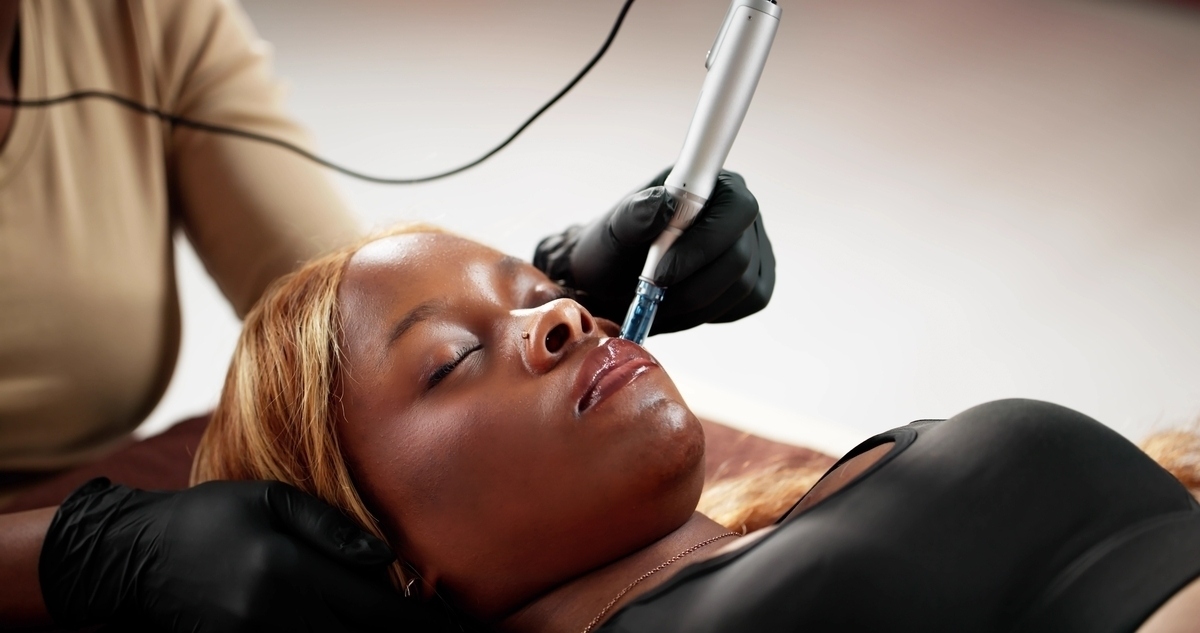
Patient with deeper skin tone lying comfortably during a Morpheus8 for all skin types RF microneedling facial treatment performed by a gloved provider in a clinical setting

Is Morpheus8 Safe for All Skin Tones?

INMODE & MORPHEUS8 TREATMENTS

Patients with medium, olive, brown, and deeper complexions consistently ask one question before booking a Morpheus8 consultation: is this treatment actually safe for my skin tone? The concern is valid. Many energy-based aesthetic treatments carry a real risk of pigmentation changes in patients with higher melanin levels, and knowing whether Morpheus8 for all skin types is genuinely supported by clinical evidence matters before committing to a procedure.

Before exploring that evidence, patients who want to understand the full scope of what InMode Morpheus8 skin treatments address will find the service overview a useful starting point for context.

The short answer is yes, Morpheus8 has a well-established safety profile across all Fitzpatrick skin types, including the deepest complexions. The longer answer involves understanding why, how the technology achieves that safety, what precautions still apply, and what patients should know before their first session.

1. Why Skin Tone Matters in Aesthetic Treatments

Not all aesthetic treatments interact with skin the same way across different complexions. The reason comes down to melanin, the pigment that gives skin its color.

Melanin is produced by cells called melanocytes in the epidermis, the outermost layer of the skin. Patients with darker complexions have more active melanocytes producing more melanin. This is a biological characteristic, not a flaw, but it does mean that treatments delivering heat or light energy to or through the skin surface carry a higher risk of disrupting melanin production in these patients.

When melanocytes are disturbed by heat, light, or trauma, they can produce melanin erratically. This results in a condition called post-inflammatory hyperpigmentation, where patches of skin become darker than the surrounding tissue after a treatment or injury.

The treatments most associated with this risk include:

  • Ablative laser resurfacing
  • Intense pulsed light (IPL) treatments
  • Some chemical peels at higher concentrations
  • Traditional microneedling at aggressive settings

These treatments deliver energy to or through the epidermal surface, directly interacting with the melanin-rich layer where the risk of disruption is highest.

2. How Morpheus8 for All Skin Types Works Differently From Other Devices

The reason Morpheus8 for all skin types has a strong safety record comes down to how its energy is delivered and where it acts in the tissue.

Morpheus8 uses insulated microneedles that penetrate past the epidermis before releasing radiofrequency energy. The insulation on the needle shaft means RF energy is only released at the needle tip, which sits in the dermis or subdermis, well below the melanin-rich epidermal layer.

This subepidermal energy delivery does two important things:

  • It bypasses the epidermis where melanocytes are concentrated, significantly reducing the thermal stimulus that triggers post-inflammatory hyperpigmentation
  • It delivers consistent RF heat into the deeper tissue regardless of how much melanin is present in the surface layer, which means treatment efficacy does not diminish in patients with darker complexions

This is a fundamental difference between Morpheus8 and surface-level energy treatments. Ablative lasers and IPL interact directly with the epidermal layer. Morpheus8 passes through it.

3. Understanding Fitzpatrick Skin Types and Why They Matter

The Fitzpatrick scale is the standard clinical tool used to classify skin tone and phototype. It runs from Type I through Type VI.

Fitzpatrick TypeDescriptionTypical Characteristics
Type IVery fairAlways burns, never tans
Type IIFairUsually burns, sometimes tans
Type IIIMediumSometimes burns, always tans
Type IVOliveRarely burns, always tans
Type VBrownVery rarely burns, tans easily
Type VIDeep brown to blackNever burns, tans deeply

Patients with Types IV through VI have higher melanin concentrations and are considered at greater risk for pigmentation complications with certain energy-based treatments.

Morpheus8 has been studied and used clinically across all six Fitzpatrick types. Provider experience and appropriate device settings are the primary variables that determine safety outcomes across the scale.

4. Morpheus8 for All Skin Types: The Clinical Evidence

The clinical literature on Morpheus8 and RF microneedling across skin types is well developed and consistently supports the treatment’s safety profile in patients with darker complexions.

According to a peer-reviewed clinical review of Morpheus8 and RF microneedling published in a facial plastic surgery journal, radiofrequency microneedling is a safe and effective intervention for aesthetic and dermatological conditions across all skin types, with Morpheus8 specifically highlighted for its technological properties that differentiate it from comparable devices and make it the preferred option in many clinical practices.

Key findings across the RF microneedling literature include:

  • No cases of post-inflammatory hyperpigmentation reported in several large-scale studies involving patients across Fitzpatrick Types IV through VI
  • Consistent improvements in skin texture, tone, and laxity observed in patients with medium to deeper complexions
  • No meaningful difference in treatment efficacy between lighter and darker skin tones when appropriate settings are used
  • Patient satisfaction rates in darker skin tone populations are comparable to those reported in lighter skin tone studies

5. The Risk of Post-Inflammatory Hyperpigmentation and How Morpheus8 Reduces It

Post-inflammatory hyperpigmentation is the primary skin tone-related risk associated with energy-based aesthetic treatments. Understanding what it is, why it occurs, and how Morpheus8 minimizes it gives patients a complete picture of the risk landscape.

What post-inflammatory hyperpigmentation is:

PIH occurs when melanocytes respond to skin injury or inflammation by overproducing melanin in the affected area. The result is a darkening of the skin that can range from subtle to pronounced and can persist for weeks to months if not properly managed.

Why Morpheus8 reduces this risk:

The insulated needle design means thermal energy is concentrated at the needle tip below the epidermis rather than dispersed across the skin surface. The epidermis heals over the micro-channels left by the needles without sustained heat exposure, which is the primary trigger for melanocyte disruption.

Additional factors that reduce PIH risk during Morpheus8:

  • Lower energy settings used for higher Fitzpatrick types
  • Slower treatment passes to allow tissue cooling between pulses
  • Avoidance of treatment on tanned skin or skin with active sun exposure
  • Pre-treatment and post-treatment skincare protocols that support melanin stability

According to the American Academy of Dermatology, patients with darker skin tones benefit most from treatments delivered by providers with specific experience in managing pigmentation risks in higher Fitzpatrick types, as provider expertise is the most significant factor in preventing unwanted pigmentation outcomes.

6. How Treatment Settings Are Adjusted for Different Skin Tones

Morpheus8 is not a one-size-fits-all device. One of its clinical strengths is the degree to which settings can be customized based on the individual patient’s skin type, tone, and concern.

Settings adjusted based on Fitzpatrick skin type:

  • Energy level — lower energy outputs are used for higher Fitzpatrick types to reduce the thermal load on the tissue
  • Needle depth — depth is calibrated based on the thickness of the epidermal and dermal layers, which vary by individual
  • Treatment pass speed — slower passes allow greater tissue cooling between pulses in patients where thermal sensitivity is a concern
  • Number of passes per area — adjusted to balance treatment intensity with safety for each skin type

For patients with Fitzpatrick Types IV through VI, these adjustments do not reduce treatment effectiveness. They recalibrate how the same clinical outcome is achieved in a way that is appropriate for the tissue being treated.

7. Skin Tones That Require Extra Precaution

While Morpheus8 for all skin types is supported by the clinical evidence, patients at the higher end of the Fitzpatrick scale benefit from additional preparation and precaution both before and after treatment.

Pre-treatment precautions for Types IV through VI:

  • Avoid prolonged sun exposure and tanning for at least four weeks before treatment
  • Discontinue self-tanning products two to four weeks before the appointment
  • Some providers recommend a pre-treatment skin preparation protocol using topical agents that support melanin stability in the weeks leading up to the session
  • Inform the provider of any prior history of PIH from aesthetic treatments or skin injuries

Post-treatment precautions for Types IV through VI:

  • Strict sun avoidance and consistent broad-spectrum SPF application in the weeks following treatment
  • Avoid heat exposure including saunas, hot showers, and intense exercise for several days after the session
  • Follow the provider’s aftercare protocol precisely, as the post-treatment window is when the risk of pigmentation changes is highest
  • Attend all follow-up appointments so the provider can monitor the skin’s response between sessions

For patients exploring Morpheus8 body treatment options, the same skin tone considerations apply to body areas as they do to the face.

8. What to Ask Your Provider Before Treatment

Patients with medium to deeper skin tones should ask specific questions during their consultation to assess whether a provider has the experience necessary to safely treat their complexion.

Questions to ask:

  • How many patients with my Fitzpatrick skin type have you treated with Morpheus8?
  • What energy settings and protocols do you use for patients with my skin tone?
  • What pre-treatment preparation do you recommend for my complexion?
  • What post-treatment skincare protocol do you follow for higher Fitzpatrick types?
  • What is your approach if I develop any pigmentation changes after treatment?
  • Do you have before-and-after photographs of patients with a similar skin tone to mine?

A provider who answers these questions with specificity and confidence demonstrates clinical experience with diverse skin tones. A provider who gives vague or generalized answers warrants further scrutiny before proceeding.

9. Frequently Asked Questions

Yes. RF microneedling including Morpheus8 has been studied as a treatment for post-inflammatory hyperpigmentation and melasma in patients with Fitzpatrick Types III through VI. The subepidermal energy delivery remodels the dermis without directly targeting melanin, and the collagen remodeling process can contribute to a more even skin tone over time. Results vary by individual and the type of hyperpigmentation being addressed.

Yes. Morpheus8 has been used clinically across all of these skin tone groups. The insulated needle design bypasses the melanin-rich epidermal layer, and provider-adjusted settings for higher Fitzpatrick types allow safe and effective treatment across the full range of complexions represented in these populations.

Most providers recommend a minimum of four weeks between significant sun exposure or tanning and a Morpheus8 session. Tanned skin has elevated melanin activity, which increases the risk of pigmentation changes during and after treatment. Arriving to treatment with untanned, sun-protected skin is one of the most effective ways to reduce this risk.

Contact your provider promptly. Mild redness and surface changes are normal in the days immediately following treatment. Persistent darkening or hyperpigmentation that develops after the initial healing period should be evaluated by the provider, who can recommend appropriate topical or clinical interventions to address it.

No. The number of sessions needed is determined by the concern being treated and its severity, not by skin tone. Patients with darker complexions who are treated with appropriately calibrated settings achieve the same quality of results as patients at lower Fitzpatrick types. For patients researching how many Morpheus8 sessions are typically needed, that resource covers session planning in detail.

10. What the Research Tells Us

The clinical picture on Morpheus8 and skin tone safety is consistent. The insulated needle design, the subepidermal energy delivery, and the customizable settings combine to produce a treatment that is genuinely appropriate for patients across the full Fitzpatrick spectrum.

The most important variable is not the device. It is the provider operating it. A clinician with specific experience treating diverse skin tones, using appropriate settings, and following evidence-based protocols for higher Fitzpatrick types is what translates the device’s safety profile into a safe outcome for the individual patient.

According to Cleveland Clinic’s clinical overview of RF microneedling, RF microneedling side effects are generally mild across patient populations, and outcomes are strongly influenced by the experience level of the treating provider and the appropriateness of the settings used for each individual patient.

Key Takeaways

  • Morpheus8 for all skin types is supported by clinical evidence across all six Fitzpatrick skin types, including the deepest complexions.
  • The insulated needle design delivers RF energy below the melanin-rich epidermis, significantly reducing the risk of post-inflammatory hyperpigmentation.
  • Treatment settings including energy level, needle depth, and pass speed are adjusted for higher Fitzpatrick types without reducing treatment effectiveness.
  • Patients with Types IV through VI benefit from additional pre-treatment and post-treatment precautions including strict sun avoidance.
  • Provider experience with diverse skin tones is the single most important factor in achieving safe and effective results.
  • Asking specific questions about skin tone experience and protocols during a consultation is the most reliable way to assess provider suitability.

Have Questions About Whether Morpheus8 Is Right for Your Skin Tone?

Every complexion is different, and the right approach depends on your specific Fitzpatrick type, skin history, and treatment goals. A thorough consultation with an experienced provider gives you a precise, personalized assessment rather than a generalized answer.

Disclaimer: This content is for informational purposes only and does not constitute medical advice. Individual results vary. Consult with a qualified healthcare provider before undergoing any aesthetic treatment.