
Medi-Elite Health & Wellness

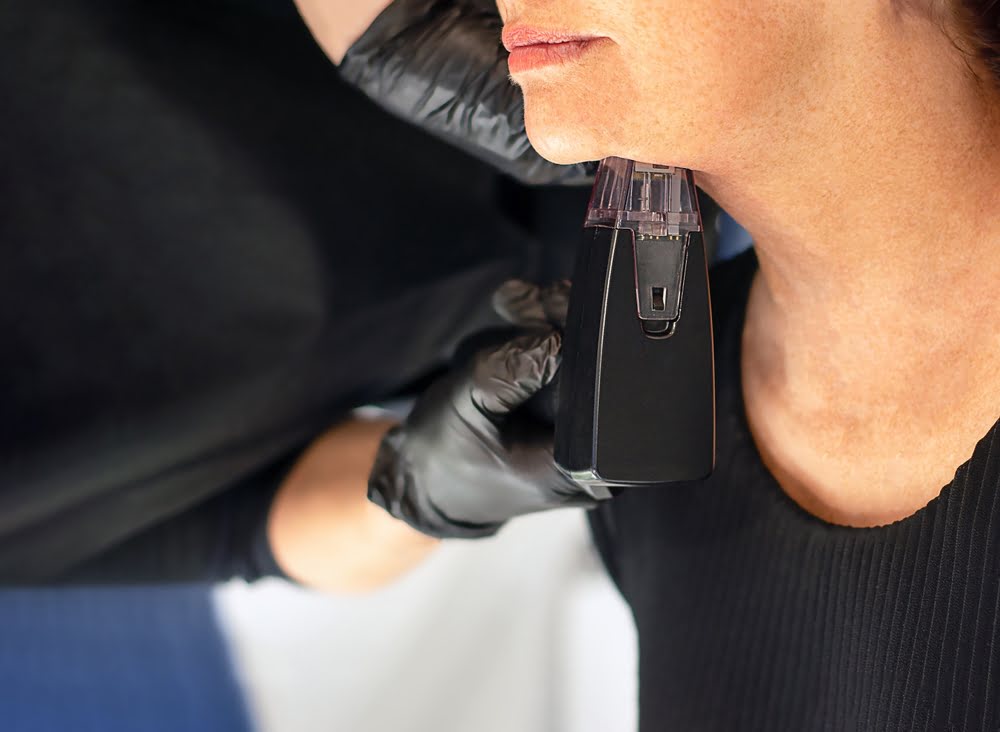
Gloved provider applying an RF microneedling handpiece beneath the chin of a patient during a submental treatment session illustrating the Quantum RF vs BodyTite comparison for double chin contouring

What Is the Difference Between Quantum RF and BodyTite?

Quantum rf

Patients comparing body contouring options with their providers frequently encounter two devices that occupy similar space in the treatment landscape: Quantum RF and BodyTite. Both are minimally invasive. Both use radiofrequency energy. Both address fat and skin simultaneously. So what is the actual difference between Quantum RF vs BodyTite, and does it matter for your specific goals?

The answer involves both technical and clinical distinctions that are worth understanding before you schedule a consultation, because the differences between them do influence which is more appropriate for certain patients and certain treatment areas.

1. Why This Comparison Matters for Body Contouring Patients

Choosing between Quantum RF and BodyTite is not as simple as asking which one is better. They are closely related technologies from different device manufacturers, developed around similar principles but with meaningful differences in RF delivery architecture and optimal use cases.

Patients who understand those differences are better equipped to ask specific questions during their consultation, evaluate their provider’s recommendation more critically, and set realistic expectations for whichever treatment is chosen.

2. How Quantum RF Works

Quantum RF body contouring uses a small probe inserted beneath the skin through a tiny entry point after local anesthesia. The probe delivers focused bipolar radiofrequency energy directly into the subdermal fat and tissue, creating controlled heat that dissolves fat cells and simultaneously triggers collagen contraction and new collagen production.

Quantum RF’s defining characteristics:

  • Energy delivered from the probe internally without a required external electrode
  • Precision targeting of localized fat deposits in specific anatomical zones
  • Simultaneous fat dissolution and collagen stimulation in a single pass
  • Particularly effective for smaller, defined treatment areas including the neck, jawline, and targeted body pockets
  • Developed and manufactured by InMode

3. How BodyTite Works

BodyTite, developed by InMode as well, uses radiofrequency-assisted liposuction (RFAL) technology. During a BodyTite procedure, two components work simultaneously: an internal cannula probe inserted beneath the skin and an external electrode placed on the skin surface directly above the internal probe. RF energy flows between these two components, heating the tissue from both directions simultaneously.

BodyTite’s defining characteristics:

  • Bipolar RF energy delivered between an internal probe and a synchronized external electrode
  • The dual internal-external energy delivery creates a controlled coagulation zone in the tissue between the two electrodes
  • Designed for larger treatment areas requiring comprehensive fat reduction and significant skin tightening
  • Typically used in conjunction with liposuction or aspiration to address larger fat volumes
  • Also manufactured by InMode, making it a different platform within the same device ecosystem

4. The Core Technology Difference: Monopolar vs Bipolar RF Architecture

The most technically meaningful difference between Quantum RF and BodyTite lies in how each delivers its RF energy to the target tissue.

Quantum RF uses internal bipolar energy delivery from the probe directly into the tissue. The current flows between the electrodes within the probe head itself, creating a precise, localized zone of thermal activity in the immediate vicinity of the probe.

BodyTite uses RFAL (radiofrequency-assisted liposuction) bipolar delivery between the internal probe and the external skin electrode. The current flows through a larger tissue column between the two contact points, creating a broader zone of thermal activity that extends from the internal probe all the way to the skin surface.

The clinical implication of this difference:

BodyTite’s dual-electrode delivery creates a more comprehensive thermal effect across the full thickness of the tissue between the probe and the skin surface, which produces more significant skin contraction on the external surface. This makes BodyTite particularly effective for patients who need meaningful skin tightening over larger areas in addition to fat reduction.

Quantum RF’s internal-only delivery is more precisely targeted, making it particularly effective for localized contouring in defined anatomical zones where precision matters more than broad-area coverage.

A clinical study on RFAL and skin contraction outcomes confirms that radiofrequency-assisted liposuction with simultaneous external electrode delivery produces measurably greater immediate skin contraction compared to internal-only RF delivery, particularly in larger treatment areas with significant pre-existing laxity.

5. Side-by-Side Comparison

FactorQuantum RFBodyTite
DeveloperInModeInMode
RF DeliveryInternal probe, bipolarInternal probe plus external electrode (RFAL)
Fat ReductionYes, targeted localized pocketsYes, larger volumes in combination with aspiration
Skin TighteningYes, simultaneousYes, more significant external contraction
Best Treatment AreasNeck, jawline, small to medium body pocketsAbdomen, thighs, arms, larger body zones
Fat VolumeLocalized, smaller depositsLarger volume, often used with liposuction
AnesthesiaLocal onlyLocal, sometimes with sedation for larger areas
Downtime1 to 3 days3 to 7 days for larger areas
SessionsTypically 1 to 3Typically single session for primary treatment
Results Timeline2 to 4 months full development2 to 4 months full development
Cost Range$2,500 to $5,000 depending on area$3,500 to $8,000 depending on area
Skin Tone SafetyAll skin tonesAll skin tones

6. Which Concerns Each Treatment Addresses Best

When Quantum RF Is the Better Choice

Localized submental and jawline fat: Quantum RF is particularly precise in the neck and submental area, where the anatomy requires careful probe navigation and targeted energy delivery. The internal-only bipolar delivery system is well-suited to this zone.

Targeted body pockets without large volume: Patients with specific, defined fat deposits in the flanks, inner thighs, or upper arms who are at or near their goal weight and do not require large-volume fat removal find Quantum RF’s precision delivery well-matched to their needs.

Patients preferring minimal procedure time and recovery: Quantum RF sessions for targeted areas are typically shorter and involve less procedural complexity than BodyTite sessions for larger areas.

When BodyTite Is the Better Choice

Larger abdominal treatment requiring significant skin tightening: BodyTite’s dual-electrode delivery produces more comprehensive external skin contraction, making it more appropriate for patients who need both substantial fat reduction and meaningful skin tightening across a larger surface area.

Post-weight-loss or post-pregnancy body contouring of larger zones: The combination of fat aspiration and RFAL skin tightening that BodyTite enables in a single session makes it better suited to larger-scale body contouring needs.

Patients who need aspiration alongside RF treatment: BodyTite is designed to work with aspiration for larger volumes of fat removal. For patients whose fat volume exceeds what RF dissolution alone can address effectively, BodyTite with aspiration is more appropriate.

For a deeper look at the full range of non-surgical fat reduction and skin tightening options available and how they compare across different patient profiles, that resource provides useful context for the candidacy assessment conversation.

7. Cost and Session Considerations

Both treatments carry similar overall cost ranges when compared for equivalent treatment areas, though BodyTite sessions for larger areas and multi-zone treatments often represent a higher per-session investment.

Quantum RF typical cost: $2,500 to $5,000 for a full treatment course depending on the area and number of sessions required.

BodyTite typical cost: $3,500 to $8,000 depending on the areas treated and whether aspiration is included in the procedure.

Session count difference: Quantum RF typically requires one to three sessions for most treatment areas. BodyTite is more commonly used as a single-session primary procedure for larger areas, though touch-up sessions may be added.

Total investment comparison: For comparable small to medium area treatment needs, the total cost across a Quantum RF series is generally similar to or lower than a single BodyTite session covering the same zone. For large-area body contouring, BodyTite may represent a more time-efficient single-session investment.

8. Real-World Example: Same Goal, Two Different Paths

Patient A has stubborn submental fat beneath the chin and mild neck laxity. The area is small, precisely defined, and involves relatively modest fat volume. She is at her goal weight. Quantum RF is the more appropriate choice for her because the anatomy suits its precision delivery, the fat volume is within Quantum RF’s optimal range, and she does not need the broader skin contraction that BodyTite’s external electrode delivers.

Patient B has significant post-pregnancy abdominal laxity with a larger volume of fat across the full abdomen. She wants comprehensive improvement in both fat and skin quality across the full abdominal zone in fewer total procedures. BodyTite is the more appropriate choice for her because the larger area, higher fat volume, and need for meaningful external skin contraction across the full abdomen all favor the RFAL delivery architecture.

Neither treatment is categorically better. The right choice depends on the patient’s anatomy, goals, treatment area, and the degree of change required.

9. Common Misconceptions About Quantum RF vs BodyTite

“BodyTite is always more effective because it uses two electrodes.” More contact points do not universally mean better results. For targeted small-area contouring, Quantum RF’s precision internal delivery is often more appropriate than BodyTite’s broader zone of action. Effectiveness is always relative to the specific treatment need.

“Both treatments are basically the same thing.” They share the same manufacturer and operate on related RF principles, but the delivery architecture, optimal use cases, and procedural design are meaningfully different. Treating them as interchangeable leads to sub-optimal treatment selection.

“Quantum RF is the budget version of BodyTite.” Quantum RF is not a lesser technology. It is a different tool optimized for different applications. For its optimal use cases, it produces results that fully meet patient goals and may outperform BodyTite in precision-demanding zones like the neck and submental area.

“I need BodyTite because I want the best possible skin tightening.” BodyTite does produce more comprehensive external skin contraction in large treatment areas. But for smaller areas and localized fat deposits, Quantum RF produces excellent skin tightening outcomes that are more than sufficient for the anatomical context.

10. Frequently Asked Questions

Yes. Some patients use BodyTite for larger body areas such as the abdomen and Quantum RF for more defined areas such as the neck and jawline, taking advantage of each device’s optimal use case in the same overall treatment plan.

Quantum RF typically involves less downtime for equivalent-size treatment areas, with most patients returning to normal activity within one to three days. BodyTite sessions for larger areas may involve three to seven days of more noticeable swelling and soreness due to the broader tissue treatment zone.

Both are well-established minimally invasive RF procedures with favorable safety profiles when performed by experienced providers. Neither carries significantly greater risk than the other when used appropriately for their indicated treatment areas.

Provider experience matters significantly for both. The best device in the hands of an inexperienced provider will produce inferior results compared to either device in the hands of an experienced, trained provider. Ask specifically about your provider’s experience with the device they are recommending for your specific treatment area.

Ask directly. A provider who can explain specifically why they are recommending one over the other for your particular anatomy and goals, rather than simply recommending the device they have in their clinic, is giving you a more reliable recommendation. Learn more about Quantum RF skin tightening options and schedule a consultation to discuss your specific body contouring goals with a qualified provider who can make a clinical recommendation based on your individual anatomy.

11. Quantum RF vs BodyTite: How to Choose

The right choice between Quantum RF and BodyTite comes down to your specific treatment area, fat volume, degree of skin laxity, and anatomical goals. For targeted, localized fat deposits with precise contouring needs in smaller areas, Quantum RF is frequently the better-matched tool. For larger body areas requiring comprehensive fat reduction and significant skin contraction in fewer sessions, BodyTite may be more appropriate.

A consultation with a qualified provider who has experience with both platforms is the most reliable path to a well-grounded recommendation. Schedule your consultation to receive an honest assessment of which approach fits your specific body contouring goals.

Key Takeaways

  • Both Quantum RF and BodyTite are minimally invasive RF body contouring devices that deliver RF energy beneath the skin through a probe after local anesthesia, but they use different RF delivery architectures.
  • BodyTite uses bipolar RF delivered between an internal probe and an external electrode placed on the skin surface simultaneously. Quantum RF uses a probe-only internal delivery system.
  • BodyTite is designed for larger treatment areas requiring significant skin tightening alongside fat reduction, particularly the abdomen and thighs.
  • Quantum RF excels in precision contouring of localized fat deposits in smaller areas, including the neck, jawline, and targeted body zones.
  • Both produce permanent fat reduction and skin tightening, though their optimal treatment profiles differ by area and degree of laxity.
  • Cost is comparable between the two treatments, with both typically ranging in the same general bracket for comparable treatment areas.
  • Provider experience and device availability in your area will often be as significant a factor in the decision as clinical differences between the two platforms.

Not Sure Whether Quantum RF or BodyTite Is Right for Your Goals?

Choosing between Quantum RF and BodyTite requires an in-person assessment of your specific anatomy, treatment area, and degree of laxity. Schedule a consultation with a qualified provider experienced in both platforms to receive an honest, personalized recommendation on which approach genuinely fits your body contouring goals.

Disclaimer: This content is for informational purposes only and does not constitute medical advice. Individual results vary. Consult with a qualified healthcare provider before undergoing any aesthetic treatment.